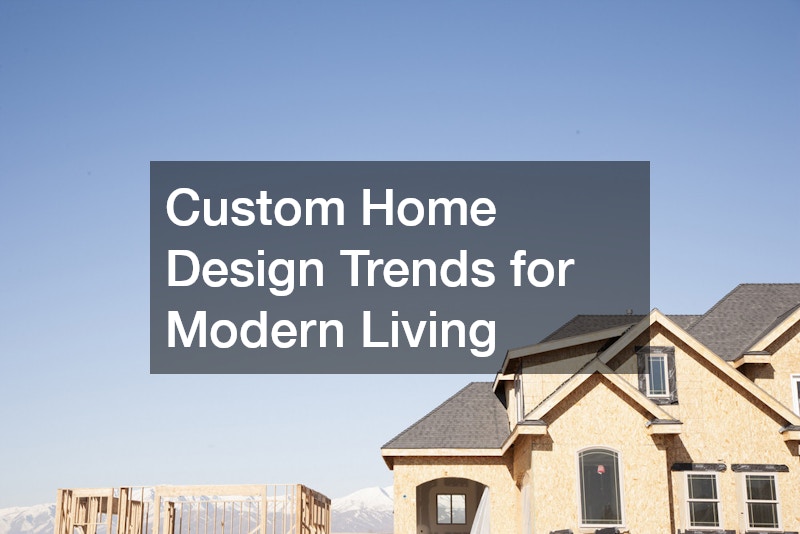
This article will explore the latest trends in custom home design, focusing on the preferences and needs of modern living. In a world where individual expression and sustainability are highly valued, home design trends are rapidly evolving to meet these demands. As we step into a new era of architectural innovation, understanding the driving forces behind these trends becomes essential.
Video Source
The preferences of homeowners are shifting, with a strong emphasis on creating personalized yet functional spaces. As we delve into the specifics, it’s clear that custom home design is not just about aesthetics but also about creating a space of comfort and efficiency.
The latest trends in custom home design are a reflection of a desire for personalized comfort and modern aesthetics. Open floor plans are increasingly popular, allowing for seamless movement and interaction between different areas of the home. Natural light and large windows feature prominently, contributing to an airy feel and connecting the indoors with the outdoors. Additionally, the use of mixed materials such as wood, metal, and glass is gaining traction, adding a unique character to each home. Emphasis on minimalistic design and clean lines is prevalent, offering a clutter-free and sophisticated living environment.
Individual expression in home design is at its peak, with homeowners seeking design elements that reflect their personal style. Customization of spaces by incorporating bespoke furniture and decor is trending as people look for unique living spaces. Moreover, the integration of nature and indoor plants in home environments is becoming popular, providing a serene and rejuvenating atmosphere. Features like indoor gardens or vertical wall planters not only beautify spaces but also improve air quality. This fusion of nature and architecture signifies a shift towards more biophilic design principles.
Sustainability in home design is becoming a necessity rather than a choice as environmental awareness grows. One major way to incorporate sustainability is through energy-efficient building materials and technologies. Homes are increasingly designed to minimize energy usage with features such as solar panels, high-efficiency insulation, and energy-saving lighting systems. Choosing sustainable materials like reclaimed wood, recycled metal, and bamboo reduces ecological impact while maintaining style and functionality. Sustainability is seamlessly balancing aesthetic desires with environmental responsibility in home design.
Water conservation is another key aspect of sustainable home design, with homeowners turning to water-saving appliances and fixtures. Low-flow faucets, dual-flush toilets, and rainwater harvesting systems are becoming standard features in eco-conscious homes. By implementing these systems, one can significantly reduce water wastage and promote a more responsible lifestyle. Landscaping choices also reflect a commitment to conservation, with drought-resistant plants and permeable paving that alleviate water demands. These elements collectively contribute to a home that supports sustainable living practices.
Technology is deeply embedded in modern home design, with smart home systems leading the charge in innovation. Home automation systems allow residents to control lighting, heating, security, and appliances remotely via smartphones or voice commands. Integration of these systems enhances convenience, energy efficiency, and security within the home. Moreover, smart appliances like refrigerators and washing machines that can optimize energy usage based on real-time data are gaining popularity. This embrace of technology offers homeowners unprecedented control and customization of their living environments.
Creating functional spaces in custom homes starts with thoughtful planning and design to cater to specific lifestyle needs. Open and versatile spaces that can change functions depending on needs are essential in modern homes. Flexibility in design is achieved through multi-purpose furniture, such as fold-away desks or Murphy beds that maximize available space. By incorporating movable partitions or sliding doors, spaces can be adapted for family gatherings, work, or relaxation. The move towards open spaces fosters interaction and community spirit within the home.
Custom home design trends reflect the evolving needs of modern homeowners, emphasizing style, sustainability, technology, and functionality. As individuals strive to create personal sanctuaries, these trends depict a shift towards more innovative and thoughtful architectural solutions. Balancing beauty with environmental and practical concerns, today's homes cater to the diverse dynamics of contemporary life. Whether it’s integrating smart technology, ensuring eco-friendly practices, or maximizing space utility, the goals are varied but interconnected. Ultimately, modern custom homes are an embodiment of personal expression, technological innovation, and sustainable living.