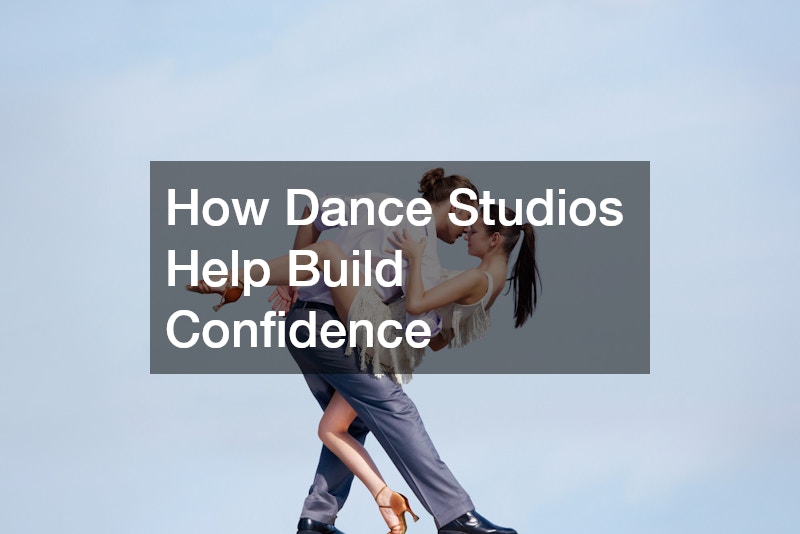
This article will explore the various ways in which dance studios contribute to building confidence in individuals of all ages. Through exploring different aspects of the dance experience, we will uncover the significant benefits that come with dance training and participation. Dance offers much more than just physical activity; it provides a transformative experience that can boost self-assurance.
Video Source
Whether for children taking their first steps or adults rediscovering their love for movement, the environment within dance studios nurtures personal growth in remarkable ways. We will delve into specific areas such as self-esteem enhancement, overcoming stage fright, social engagement, and the development of life skills, all contributing to increased confidence.
Dance classes are powerful forums for self-expression and creativity, allowing individuals to develop a stronger sense of self. Each session presents an opportunity to explore movements that align with one’s personality, fostering a unique avenue for personal expression. As dancers learn and master new techniques, their self-esteem gradually builds, providing a sense of accomplishment that translates into other life areas. Research indicates that engaging in artistic activities, like dance, can significantly boost confidence levels, sparking a cycle of positive reinforcement and self-belief. Witnessing personal progress in dance skills also instills a mindset of perseverance and resilience, empowering individuals to tackle a variety of challenges with newfound assurance.
Additionally, dance classes often foster an encouraging and supportive environment where individuals are motivated to push their limits in a safe space. The camaraderie and shared experience among peers in the studio play a crucial role in reinforcing self-worth and mutual respect. Students are encouraged to embrace their uniqueness, which further enhances individual self-awareness and confidence. This sense of community often leads to forming lasting friendships, which play a pivotal role in supporting each other’s journeys towards greater confidence. These positive social interactions in class also facilitate the development of empathy and collaboration, valuable traits that extend beyond the dance floor.
Performing in front of an audience is a prevalent part of the dance experience that plays a crucial role in confidence-building. While the mere thought of being on stage can be daunting, repeated exposure to performance situations helps individuals overcome stage fright. This transformation often starts with small in-class performances before advancing to larger public showcases, providing gradual desensitization to anxiety-inducing scenarios. As dancers grow more comfortable presenting themselves to an audience, they develop an enhanced presence and assurance in public settings. The applause and positive reinforcement from audiences further affirm the dancer’s capabilities, leading to an increase in self-confidence.
Group dance classes create a unique social environment that nurtures confidence through teamwork and interpersonal interactions. Participants are encouraged to collaborate and communicate effectively with their peers, building essential social skills that are applicable in diverse contexts. By working together towards common goals, dancers develop trust and rapport, which form the basis of social confidence. These classes emphasize mutual respect and support, fostering a sense of belonging within a community of like-minded individuals. As dancers navigate group dynamics, they learn to understand varying perspectives, enhancing their emotional intelligence and ability to connect with others confidently.
Beyond the acquisition of dance skills, studios are instrumental in fostering personal growth that extends into various life domains. The discipline and dedication required in dance classes instill a strong work ethic and time management skills, which are invaluable in both personal and professional contexts. Students learn the importance of setting realistic goals and strategizing for their achievement, providing a framework for success in broader life pursuits. The sense of fulfillment and confidence gained from meeting these dance-related goals encourages a proactive approach to challenges across different areas. Ultimately, the teachings of perseverance and resilience inherent in dance contribute to an individual’s overall growth and development.
Dance studios not only teach dance but also serve as vital environments for personal growth and confidence building. The skills and experiences gained through dance can positively impact various aspects of life. From enhancing self-esteem and overcoming stage fright to fostering social connections and supporting overall personal development, dance offers numerous opportunities for confidence building. Embracing these experiences can lead to a more enriching and self-assured life, both on and off the dance floor. As individuals continue their dance journeys, the lessons learned within the studio extend far beyond their steps, shaping a resilient and confident future.