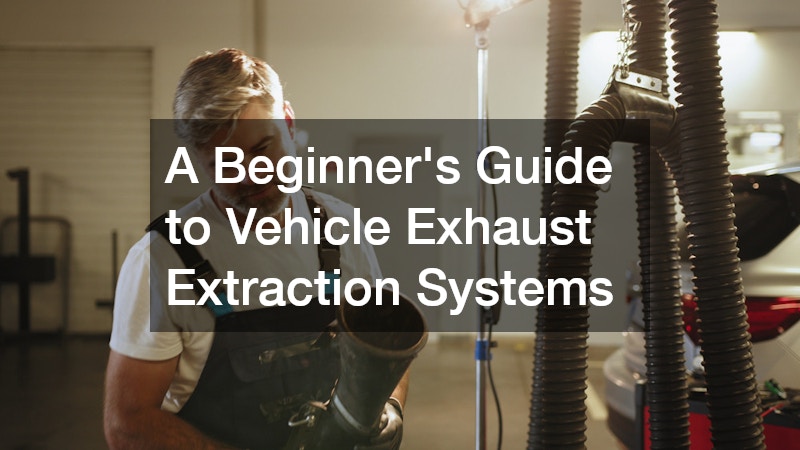
Every automotive workshop or garage faces the challenge of maintaining clean air while mechanics work on running engines. Exhaust fumes contain harmful chemicals like carbon monoxide, nitrogen oxides, and hydrocarbons, which can cause serious health issues if inhaled over time. For beginners looking to improve safety and efficiency in automotive environments, understanding vehicle exhaust extraction systems is crucial. These systems not only protect workers but also enhance air quality, making garages healthier and more productive.
Exhaust extraction systems are designed to capture and remove harmful fumes directly from an engine’s tailpipe before they can disperse into the workspace. They operate by connecting hoses or nozzles to the vehicle’s exhaust, channeling the gases through a filtration or ventilation system.
Video Source
Some setups are fixed, while others are portable, offering flexibility for different workshop layouts. Knowing the fundamental mechanics helps beginners choose the right system for their specific needs.
A key feature of these systems is the method of removal. Traditional extraction relies on fans and ducts to draw fumes away, while more advanced units may incorporate filters that trap particulates or scrub harmful compounds from the air. In either case, the goal remains the same: to prevent toxic gases from accumulating and endangering staff. Beginners should understand that proper installation and regular maintenance are critical for ensuring optimal performance and safety.
Another consideration is airflow and coverage. A system must accommodate the number of vehicles being serviced simultaneously, as well as the size and layout of the garage. Improperly designed or undersized systems can leave dead zones where exhaust lingers, negating the benefits of extraction. By grasping these basics, workshop owners and mechanics can plan more effectively and avoid costly mistakes in selecting or installing an exhaust system.
The most immediate advantage of vehicle exhaust extraction systems is health protection. Prolonged exposure to exhaust fumes can lead to headaches, dizziness, respiratory problems, and long-term conditions such as heart disease or lung damage. By removing these contaminants at the source, workshops reduce the risk of occupational illnesses and create a safer environment for staff. This benefit alone often justifies the investment in a high-quality system.
Beyond safety, extraction systems improve operational efficiency. Mechanics can work more comfortably without constantly battling unpleasant odors or smoke. Clear air enhances focus and productivity, particularly in busy garages where multiple vehicles are being serviced simultaneously. Additionally, cleaner air may reduce wear on sensitive equipment, such as paint booths or electronic diagnostic devices, which can be affected by airborne contaminants.
These systems can also contribute to compliance with local safety regulations. Many regions enforce workplace standards for air quality, particularly in environments where fuel-burning engines operate indoors. Installing a certified exhaust extraction system demonstrates a commitment to safety and may prevent fines or legal complications. Beginners who plan to run a professional workshop should view this as both a protective and strategic decision.
Selecting an appropriate vehicle exhaust extraction system requires careful consideration of your workshop’s size, vehicle types, and budget. Portable units may be suitable for smaller garages or mobile services, while fixed systems often serve larger, high-traffic workshops more effectively. Understanding your specific needs ensures that the system delivers maximum performance without unnecessary expense.
Another factor is the type of extraction required. Single-arm systems work well for isolated service bays, while multi-arm or overhead systems accommodate multiple vehicles simultaneously. Beginners should also consider options like retractable hoses or automatic extraction arms, which improve convenience and reduce manual labor. Features such as filtration systems or noise-reduction designs may add value, depending on operational priorities.
Maintenance is an important consideration in the selection process. Filters need periodic replacement, hoses require inspection for leaks, and fans may need lubrication or cleaning. Systems that are simple to maintain will reduce downtime and ensure consistent performance. Additionally, workshops should have clear guidelines for staff to operate the system correctly, preventing misuse or accidental damage.
Ultimately, vehicle exhaust extraction systems play a vital role in protecting both workers and the workshop environment from harmful engine emissions. By understanding how these systems function, the benefits they offer, and the factors involved in selecting the right setup, beginners can make informed decisions that improve safety, efficiency, and professionalism. Investing in a reliable extraction system is not only a matter of compliance but also a step toward creating a healthier, more productive garage where mechanics can focus on their work without compromise.