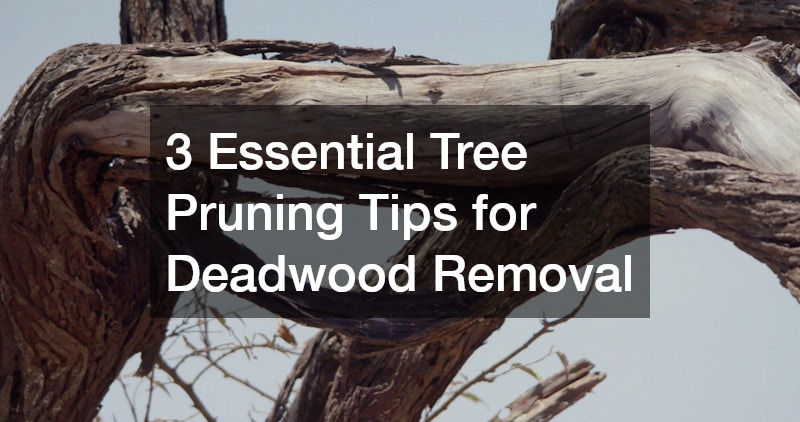
Proper tree care is more than just keeping a yard looking neat. Healthy trees contribute to the overall ecosystem, enhance property value, and provide shade and aesthetic appeal. One important aspect of tree maintenance is managing dead or dying branches via deadwood removal. Removing deadwood is a critical practice in ensuring that trees remain strong, vibrant, and safe. By following strategic pruning methods, homeowners and gardeners can maintain the longevity of their trees while preventing potential damage.
Video Source
Before reaching for pruning tools, it’s important to identify which branches are actually dead or dying. Dead branches often appear brittle, discolored, or devoid of leaves, and they may produce no buds in the growing season. Sometimes, the signs are subtle, such as cracks in the bark or fungal growth near the base of the branch. Taking the time to carefully inspect your tree ensures that healthy limbs are not accidentally removed, which could hinder growth or unbalance the tree.
Once identified, assess the size and location of each dead branch. Large branches near walkways, driveways, or rooftops require particular attention, as their failure could cause property damage or injury. Smaller branches may seem less urgent but can still impact the overall health of the tree by providing entry points for pests or disease. Careful evaluation allows for a pruning plan that prioritizes safety while promoting proper tree development.
Some trees naturally shed older branches, while others retain them longer, which can affect your evaluation. Being familiar with the tree’s growth patterns helps distinguish between normal aging and problematic deadwood, ensuring that pruning decisions support the tree’s natural development.
The removal of deadwood is most effective when the correct pruning techniques are applied. For smaller branches, a clean cut close to the branch collar—the slightly swollen area where the branch meets the trunk—encourages faster healing and reduces the risk of decay spreading. Avoid leaving stubs, as these can invite pests and fungal infections that compromise the tree’s integrity. For larger limbs, the three-cut method is recommended to prevent tearing of bark and injury to the tree.
Proper tools are also essential. Hand pruners work well for twigs and small branches, while loppers or pruning saws are necessary for thicker growth. Keeping tools sharp and clean helps ensure precise cuts and reduces stress on the tree. By combining the right technique with appropriate tools, deadwood removal can be accomplished safely and efficiently, protecting both the tree and the person doing the work.
Wearing protective gear such as gloves, safety glasses, and helmets when handling large branches can prevent injuries. Additionally, positioning yourself correctly and using ladders or supports appropriately reduces the risk of accidents while maintaining precise and effective cuts.
Routine maintenance is the key to preventing deadwood buildup and promoting healthy tree growth. Trees naturally shed some branches over time, but neglecting regular pruning can result in dense clusters of deadwood that pose risks during storms or high winds. Setting a seasonal pruning schedule allows homeowners to systematically remove weak or dead branches before they become hazardous.
Consistency also helps monitor the overall health of the tree. During each pruning session, signs of disease, insect infestation, or structural weakness can be identified early, making intervention easier and more effective. Additionally, maintaining an ongoing pruning habit ensures that the tree retains a balanced shape and grows in a manner that supports both aesthetic appeal and structural soundness. Removing deadwood becomes a manageable task rather than a labor-intensive emergency.
Trees in windy areas or with dense canopies may require more frequent inspections to remove weakened or dead branches. Adjusting your schedule based on local conditions ensures that pruning remains effective in promoting tree health and preventing potential hazards.
Removing deadwood is an essential aspect of tree care that promotes both safety and long-term tree health. By carefully identifying and assessing dead branches, applying proper pruning techniques, and maintaining a regular pruning schedule, homeowners can protect their trees from damage while enhancing their overall beauty. Pruning is more than just a cosmetic task; it is a preventative measure that strengthens trees, reduces the risk of falling limbs, and supports a thriving outdoor environment. With the right approach, deadwood removal can be a straightforward and rewarding part of maintaining a healthy, vibrant landscape.