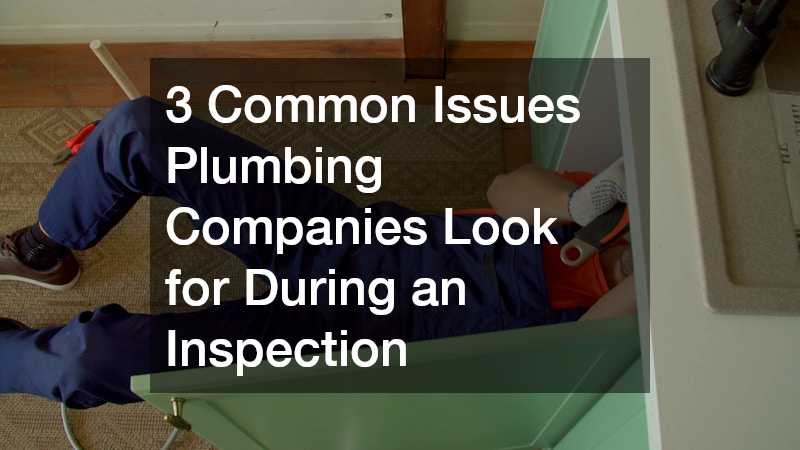
Regular plumbing inspections are a practical way to protect a home or commercial property from unexpected repairs and water damage. While many issues develop gradually, they often go unnoticed until they become costly problems. Professional inspectors are trained to identify early warning signs and evaluate the overall condition of a system. Understanding what they look for can help property owners stay proactive and avoid disruptions. The following sections outline three common issues plumbing companies focus on during a routine inspection.
Video Source
One of the most frequent concerns inspectors encounter is hidden leaks. These leaks can occur behind walls, beneath flooring, or within ceilings, making them difficult to detect without professional tools and experience. Even a small, slow leak can lead to structural damage over time, weakening wood, drywall, and insulation. Left unchecked, moisture buildup may also contribute to mold growth, which can impact indoor air quality and health.
During an inspection, technicians often use moisture meters and visual assessments to locate signs of water intrusion. Discoloration, warping, or musty odors can all indicate the presence of a leak. Inspectors may also check water pressure levels, as unusually high pressure can strain pipes and increase the likelihood of cracks or breaks. By identifying these issues early, professional plumbing contractors help prevent minor leaks from escalating into major repairs.
In addition to structural concerns, hidden leaks can significantly affect water usage and utility costs. A dripping pipe or faulty connection may seem minor, but over time, it can waste a substantial amount of water. Addressing these inefficiencies not only conserves resources but also reduces monthly expenses. Early detection remains one of the most valuable aspects of a thorough inspection.
Another common issue involves the condition of the pipes themselves. Over time, plumbing materials can deteriorate due to age, water chemistry, and environmental factors. Corrosion is especially prevalent in older systems that use galvanized steel or other outdated materials. As pipes corrode, they become more susceptible to leaks, reduced water flow, and contamination.
Inspectors typically evaluate both visible and accessible piping to assess its condition. Signs of corrosion may include discoloration, flaking, or buildup on the pipe surface. In some cases, water may appear rusty or have an unusual taste, which can indicate internal pipe degradation. These symptoms often point to the need for repair or replacement to maintain safe and efficient water delivery.
Modern plumbing systems often use materials like copper or PEX, which are more resistant to corrosion. However, even these materials can experience wear over time. Connections, joints, and fittings are particularly vulnerable areas that require close attention. Reliable plumbing companies prioritize identifying weak points within the system to prevent sudden failures that could lead to extensive damage.
Drainage problems are another key focus during inspections. Slow drains, recurring clogs, and unusual noises often signal underlying issues within the system. These problems can stem from a variety of causes, including grease buildup, debris accumulation, or invasive tree roots affecting underground lines. Identifying the source of the blockage is essential for determining the appropriate solution.
Inspectors may use specialized cameras to examine the interior of pipes and locate obstructions. This technology provides a clear view of the condition of the drainage system, allowing technicians to pinpoint problem areas without invasive procedures. In many cases, early detection of buildup can be addressed with routine cleaning before it develops into a complete blockage.
Persistent drainage issues can also indicate larger structural concerns, such as pipe misalignment or damage. Shifting soil, temperature changes, and aging infrastructure can all contribute to these problems. When left unresolved, they may lead to sewage backups or flooding, both of which can cause significant property damage and health risks.
A professional plumbing inspection provides valuable insight into the condition of a property’s water and drainage systems. By focusing on hidden leaks, pipe deterioration, and drainage issues, inspectors can identify problems before they become severe. These assessments not only protect the structural integrity of a building but also improve efficiency and reduce long-term costs. Working with experienced plumbing companies ensures that potential concerns are addressed with precision and care, helping property owners maintain a safe and functional environment.