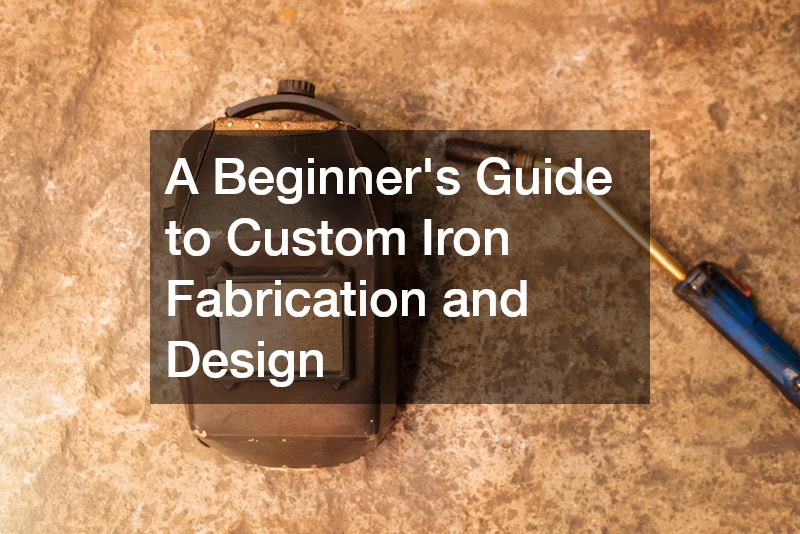
Iron fabrication blends custom craftsmanship, engineering, and design into functional pieces that can significantly elevate both residential and commercial spaces. From gates and railings to furniture and decorative accents, ironwork offers durability and a timeless aesthetic that few materials can match. For beginners, understanding the basics of the process, materials, and design considerations is key to making informed decisions and achieving a result that meets both practical and visual goals.
At its core, custom iron fabrication involves shaping raw metal into a finished product through cutting, heating, bending, and welding. Fabricators typically work with wrought iron or steel, both of which provide strength and versatility for a wide range of applications.
Video Source
While wrought iron is often associated with traditional, ornamental designs, modern fabrication frequently relies on steel due to its availability and structural properties.
The process begins with a concept or design, which is then translated into technical drawings or digital models. These plans guide every stage of production, ensuring accuracy and consistency. Fabricators use specialized tools such as plasma cutters, forges, and welding equipment to manipulate the metal into the desired form. Precision is critical, as even small deviations can affect both the appearance and structural integrity of the final piece.
For those new to ironwork, it is important to recognize the level of skill involved. Experienced fabricators bring a deep understanding of metallurgy, load-bearing requirements, and finishing techniques. This expertise ensures that each piece is not only visually appealing but also built to withstand long-term use and environmental exposure.
Design plays a central role in the success of any custom iron project. Before fabrication begins, it is essential to consider how the piece will function within its intended space. Factors such as size, proportion, and placement should align with the surrounding architecture and overall aesthetic. A well-designed iron feature can serve as a focal point, while a poorly planned one may feel out of place.
Material selection is another critical aspect. Different types of finishes and coatings can dramatically impact both appearance and durability. Powder coating, for example, provides a smooth, protective layer that resists corrosion, while hand-applied patinas can create a more rustic or antique look. Choosing the right finish depends on the environment, whether the piece will be exposed to moisture, and the desired visual effect.
Budget and timeline also influence design decisions. Intricate patterns and complex structures require more labor and specialized techniques, which can increase costs and extend production time. Beginners should balance creativity with practicality, working closely with a fabricator to refine ideas into achievable designs. This collaborative approach helps ensure that the final product meets expectations without unnecessary complications.
Once a design is finalized, the fabrication process moves into production. This stage typically begins with material preparation, where raw metal is measured, cut, and shaped according to the project specifications. Depending on the complexity of the design, components may be formed using heat in a forge or shaped through mechanical methods such as rolling and bending.
Welding is a crucial step that joins individual components into a cohesive structure. Skilled welders ensure strong, clean connections that maintain both the strength and visual continuity of the piece. After assembly, the ironwork undergoes finishing processes, which may include grinding, polishing, and applying protective coatings. These final touches enhance the appearance while safeguarding the metal from rust and wear.
For clients commissioning custom iron pieces, communication throughout this phase is essential. Reputable fabricators often provide progress updates and may invite clients to review the work at key stages. This transparency helps address any concerns early and ensures alignment with the original design vision. Lead times can vary depending on project complexity, but patience is important, as quality craftsmanship requires careful attention to detail.
Iron fabrication offers a unique opportunity to create durable, personalized pieces that combine function with artistry. By understanding the fundamentals of the process, considering key design elements, and working closely with skilled professionals, beginners can confidently navigate their first project. Whether enhancing a home’s exterior or adding character to an interior space, investing in customized ironwork delivers lasting value and a distinctive visual impact.