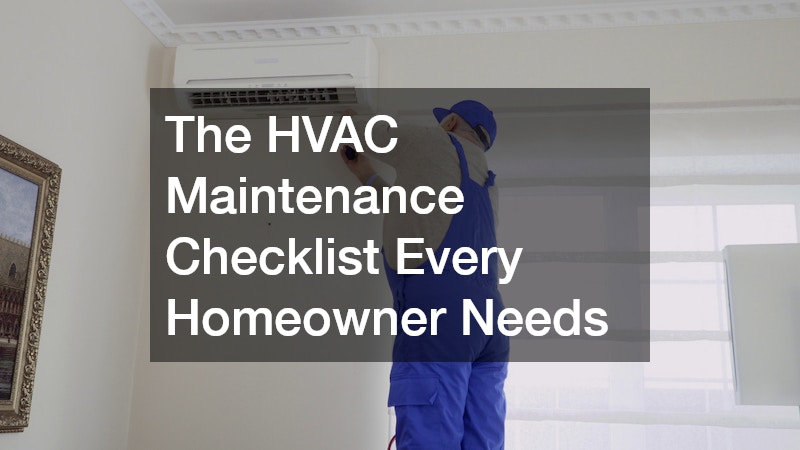
In this article, we delve into the essential HVAC maintenance checklist that every homeowner should adhere to, ensuring efficient system performance and prolonged equipment life. This guide provides detailed answers to the most common questions asked by homeowners about local HVAC repairs.
Regular HVAC maintenance is crucial for the optimal performance of your heating and cooling system. Experts recommend having your equipment professionally inspected and serviced at least twice a year—once in the spring and once in the fall.
Video Source
These seasons are ideal for ensuring that both the cooling and heating components of your HVAC system are ready to efficiently serve your home year-round. During these maintenance visits, a technician will check for any wear and tear, clean components, and ensure that all parts are functioning correctly. Skipping these regular check-ups can lead to increased utility bills, as systems may work harder to maintain desired temperatures.
The consequences of neglecting HVAC maintenance can be costly over time. Minor issues, if left unattended, can escalate into major malfunctions, leading to expensive repairs or complete system replacements. By sticking to a regular maintenance schedule, homeowners can identify and address potential problems before they worsen. A well-maintained HVAC system also translates to improved air quality in the home, reducing allergens and ensuring better health for occupants. Additionally, regular check-ups can help prevent unexpected breakdowns, especially during peak seasons when HVAC systems are under the most stress.
Several crucial components need regular attention to ensure effective HVAC maintenance. The first is the air filter, which plays a significant role in the overall performance of the system. A dirty or clogged filter can restrict airflow, forcing the HVAC system to work harder, thereby increasing energy consumption. Technicians often focus on cleaning or replacing filters during their visits to maintain optimal efficiency and air quality. Homeowners are encouraged to check and replace filters regularly, more so during peak usage periods.
Another essential component is the thermostat, which regulates the temperature settings according to your comfort needs. Ensuring that your thermostat is functioning properly can prevent unnecessary wear and tear on your system. Upgrading to a programmable or smart thermostat can lead to significant energy savings by allowing more precise temperature adjustments. Inspecting the thermostat for any faults and calibrating it, if necessary, forms a part of every professional maintenance routine. Troubleshooting simple issues, like ensuring the thermostat is correctly set, often leads to improved HVAC performance.
Finally, checking the system’s electrical connections and lubricating moving parts are vital for efficient operation. Loose or faulty connections can not only cause inefficient performance but are also a safety hazard. A thorough inspection involves tightening any loose connections and ensuring systems operate at the correct voltage. Proper lubrication of bearings and motors reduces friction, which in turn helps prevent burnout and extends the life of these parts. Regular cleaning of coils and inspecting the condensate drains also contribute to maintaining the HVAC system's reliability and efficiency.
Regular maintenance is paramount in extending the lifespan of an HVAC system. Systems that undergo consistent maintenance are less likely to experience major breakdowns. By addressing small problems early, homeowners can prevent them from developing into larger, more costly issues. Regular upkeep ensures that all parts are working efficiently, which reduces the overall strain on the system. As components experience less stress, their longevity increases, ultimately extending the overall lifespan of the HVAC unit.
Moreover, a well-maintained HVAC system operates more efficiently, often leading to significant energy savings. Efficient systems consume less electricity, which translates to lower utility bills. Regular maintenance also involves tuning the system to ensure it uses energy optimally, which not only saves money but also contributes to a reduced environmental impact. Homeowners who invest in routine maintenance see a return on their investment through long-term cost savings. A system that runs efficiently and effectively with minimal energy waste is the epitome of sustainability.
By following a comprehensive HVAC maintenance checklist, homeowners can enjoy a comfortable and energy-efficient environment year-round. Regular system checks not only prevent inconvenient breakdowns but also extend the lifespan and efficiency of HVAC units, ensuring peace of mind and savings in the long run.