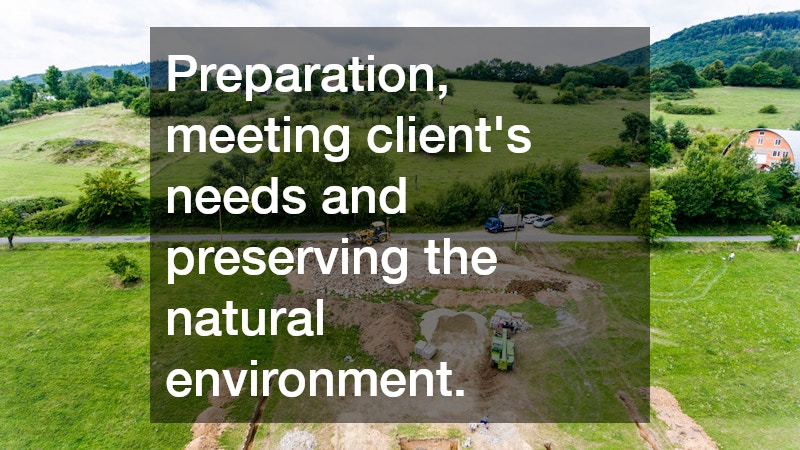
The process of preparing for a land clearing project involves careful planning, machinery deployment, and adherence to environmental best practices. This guide explains the steps and strategies a land clearing company uses to ensure safety, efficiency, and sustainable outcomes.
Before beginning any project, a comprehensive site assessment is essential. This includes analyzing the terrain, evaluating soil conditions, and identifying vegetation types.
Video Source
Assessments help locate obstacles and preserve valuable structures while removing unnecessary impediments. A thorough evaluation lays the foundation for planning that aligns with project goals.
After assessment, a detailed plan is created covering timelines, budgets, and manpower allocation. Consulting environmental experts ensures regulatory compliance, while careful planning helps optimize machinery deployment and workflow. Strategic organization enhances efficiency, minimizes delays, and leverages technology to streamline operations. Prioritizing preparation sets the stage for a smooth and successful project.
Securing permits from local, state, and federal agencies is crucial before starting any land clearing work. Compliance protects the company from liability and ensures adherence to legal standards. Additionally, environmental regulations must be followed, including protection of wetlands, wildlife habitats, and other sensitive areas. Collaboration with environmental consultants helps companies integrate sustainable practices from the outset.
Staying updated on changing regulations is vital. Continuous staff training and policy reviews maintain compliance, while modern technologies assist in monitoring environmental impact. By prioritizing permits and regulatory adherence, a land clearing company reinforces its reputation for responsible operations.
Resource allocation involves assigning machinery, workforce, and support services according to project requirements. Proper planning prevents waste, reduces costs, and ensures that every resource is effectively used. Scheduling establishes milestones and the sequence of tasks, allowing teams to anticipate needs and avoid delays. Flexibility in the schedule accommodates unforeseen changes, and consistent communication ensures accountability.
Technology enhances resource management. Software tools track materials, forecast needs, and optimize equipment usage. GPS and mapping systems improve machinery deployment, increasing productivity. Thoughtful resource planning ensures projects are completed efficiently and on time.
Equipment selection depends on terrain and vegetation. Bulldozers move earth and clear large debris, while excavators dig and prepare foundations. Brush cutters tackle smaller vegetation, making them versatile for varying project demands. Modern land clearing companies may also use mulchers, chippers, and soil stabilizers to enhance efficiency and expand operational capabilities.
Safety is critical in land clearing. Modern machinery includes roll-over protection, collision avoidance, and operator presence systems. Operator training covers equipment operation, safety protocols, and emergency response procedures. Continuous drills and refresher courses maintain a culture of safety, ensuring a secure and productive work environment.
Regular maintenance prolongs machinery life and ensures optimal function. Inspections identify issues before they escalate, minimizing downtime and repair costs. Well-maintained equipment also improves safety and reduces environmental impact by limiting fuel consumption and preventing leaks. By emphasizing maintenance, land clearing companies maintain operational efficiency while demonstrating environmental responsibility.
Sustainable land clearing methods focus on minimizing ecological impact. Selective clearing preserves essential vegetation, supporting wildlife habitats and biodiversity. Recycling and repurposing cleared materials, such as turning branches into mulch or biomass energy, further reduces waste and environmental footprint. Advanced tools, like on-site chippers, enable resource recycling and efficient operations.
Engaging local communities strengthens sustainable efforts. Dialogue with environmental groups ensures sensitive areas are protected, and community collaboration enhances trust. Combining technology, selective clearing, and stakeholder engagement enables a land clearing company to achieve project goals while preserving ecosystems.
To reduce environmental harm, companies employ soil erosion control measures such as silt fences and coir logs. Waste management plans ensure proper disposal and repurposing of debris. Rehabilitation efforts, including replanting native vegetation, restore soil stability and support long-term biodiversity. These strategies demonstrate a commitment to ecological stewardship and minimize the project’s negative impact.
Revegetation initiatives promote plant regrowth and ecosystem recovery. Native plants are used to support local wildlife and maintain soil health. Restoration plans developed with ecological experts ensure tailored solutions to site-specific challenges. Monitoring and post-restoration maintenance further enhance ecological stability. By valuing restoration as an ongoing process, land clearing companies maintain sustainable operations and community confidence.
A land clearing company prepares for a project through careful assessment, strategic planning, resource management, and environmentally responsible practices. By combining proper machinery, rigorous training, and sustainable strategies, companies ensure efficient, safe, and ecologically sound land clearing projects. Understanding these processes highlights the importance of preparation, demonstrating how projects can meet client needs while preserving the natural environment.