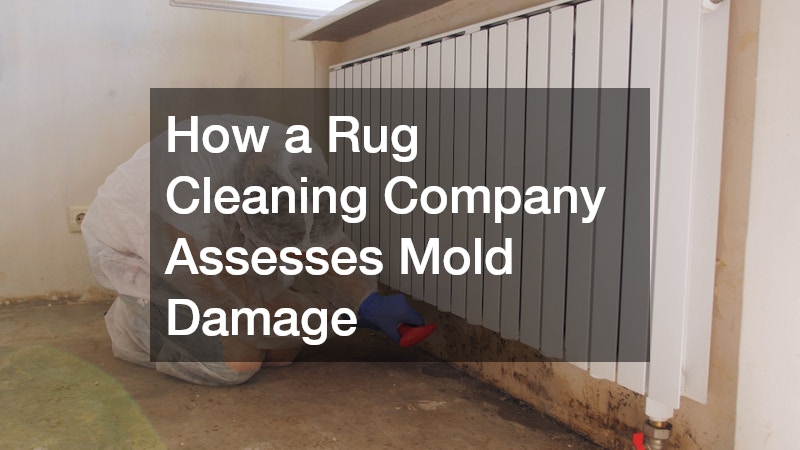
Mold can develop quickly on rugs, especially in humid environments or after water exposure. Left untreated, it can compromise both the material and the health of those living in the space. When homeowners notice a musty smell, visible spots, or dampness in their rugs, calling a professional becomes essential. A rug cleaning company not only restores the rug’s appearance but also ensures mold is properly removed, preventing further growth. Understanding how these companies assess mold damage can help homeowners act swiftly and protect their investments.
Video Source
Early detection is key, as mold can spread quickly and deeply, making professional evaluation essential for both safety and preservation.
The first step a rug or carpet cleaning company takes is a thorough inspection. Specialists examine the rug’s fibers, backing, and edges to identify visible mold growth and potential water damage. This process often includes checking areas that may not be immediately visible, such as folds, under furniture, or corners where moisture tends to accumulate. Professionals also look for signs like discoloration, dark spots, and musty odors, all of which indicate mold presence.
In addition to a visual assessment, some companies use moisture meters or humidity detectors to gauge how deeply water has penetrated the rug. Rugs made from natural fibers, like wool or cotton, are particularly susceptible to absorbing moisture, increasing the risk of mold growth. By identifying areas with elevated moisture levels, a cleaning company can determine which sections need specialized treatment.
Proper identification is crucial because not all spots are mold; some could be stains or dirt. Distinguishing between these ensures that the cleaning process is targeted and effective, avoiding unnecessary damage to the rug. The goal at this stage is to gather accurate information to develop a comprehensive restoration plan.
Once the initial inspection is complete, a rug cleaning company may conduct more detailed testing. This can include swabbing affected areas and sending samples to a laboratory to confirm the presence and type of mold. Certain molds can cause stronger odors, degrade fibers faster, or pose greater health risks. Understanding the specific strain allows technicians to select appropriate cleaning agents and disinfection methods.
The company may also evaluate the rug’s material and construction. Synthetic fibers react differently to mold remediation treatments than natural fibers, and delicate weaves require gentle handling to prevent fraying or shrinking. Assessing the rug’s age, dye stability, and overall condition helps the cleaning team determine whether full restoration is feasible or if partial repair is necessary.
Environmental factors in the home are another consideration. The company may advise on humidity levels, ventilation, and placement to prevent recurring mold problems. This holistic approach ensures that the solution addresses both the visible damage and the underlying causes, reducing the likelihood of future issues.
After inspection and analysis, the rug or carpet cleaning company develops a tailored treatment plan. This may involve deep cleaning, sanitization, or drying techniques specifically designed for mold remediation. In some cases, specialized equipment such as high-powered steam cleaners or low-moisture extraction systems is used to remove mold without causing further damage to the fibers.
For rugs with extensive damage, the company may suggest additional measures like antimicrobial treatments or partial restoration of the backing. Preventive measures, including the application of mold inhibitors, can help protect the rug from future exposure. Technicians may also provide guidance on safe storage, proper cleaning schedules, and moisture control in areas prone to dampness.
Ultimately, the objective is not only to remove mold but to restore the rug to a safe and usable condition. By carefully assessing the extent of the damage, testing for mold type, and implementing targeted treatments, a rug cleaning service ensures both the longevity of the rug and the well-being of the household.
Mold damage in rugs is more than an aesthetic problem—it can compromise the integrity of the fibers and pose health risks. By performing a meticulous inspection, conducting proper testing, and applying tailored remediation methods, a rug cleaning company can effectively address mold issues. Homeowners who understand this process are better equipped to act quickly, minimizing damage and ensuring their rugs remain both clean and safe. Professional assessment and treatment provide peace of mind, knowing that the problem has been handled with expertise and precision.