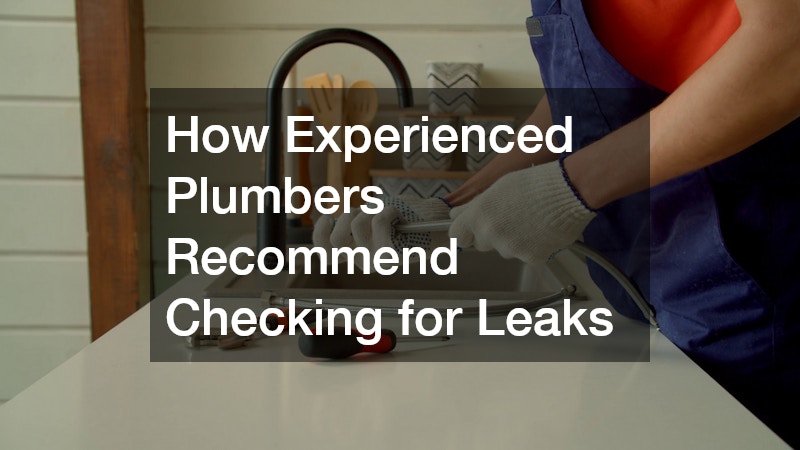
Even a small leak can cause significant damage if left unchecked, leading to higher water bills, structural damage, and mold growth. While some leaks are easy to spot, others are subtle and require a more methodical approach. Experienced plumbers know that early detection is key to preventing long-term issues and saving both money and stress. By understanding the methods they recommend, homeowners can take proactive steps to maintain the integrity of their plumbing systems.
The first step in detecting leaks is a thorough inspection of all accessible pipes and fixtures. Plumbing experts often suggest starting with areas where leaks are most likely to occur, such as under sinks, around toilets, and near water heaters.
Video Source
Look for signs like water stains, discoloration, or corrosion on pipes.
Pay close attention to faucets and showerheads. Drips may appear minor, but can waste gallons of water over time. Running your hand along pipes to feel for damp spots or unusual warmth can also reveal hidden issues. In addition, plumbing connections should be tight and secure; loose fittings are a common cause of slow leaks that might not be immediately obvious. Regular visual checks are the simplest yet most effective method for early leak detection.
Another area to inspect is your home’s exterior plumbing. Outdoor spigots, irrigation systems, and hose connections can develop leaks due to weather exposure or wear and tear. Checking these areas regularly helps prevent water loss and damage to your property. Plumbing experts emphasize consistency—making inspections part of a routine can catch small problems before they escalate.
Beyond visual inspections, plumbers recommend using tools to detect less-obvious leaks. One of the simplest methods is monitoring your home’s water meter. Begin by turning off all water-using appliances and fixtures, then note the meter reading. After a few hours, check the meter again. A movement in the numbers suggests water is flowing somewhere in the system, indicating a potential leak. This method is particularly useful for detecting leaks in hidden areas, such as inside walls or under floors.
Plumbing professionals also employ more advanced tools like infrared cameras and moisture sensors. Infrared cameras can detect temperature differences behind walls, pinpointing moisture accumulation without invasive measures. Moisture sensors, meanwhile, alert homeowners when water is present in areas that should remain dry, providing early warnings before damage occurs.
Another practical approach is performing a dye test in toilets or drains. By adding a few drops of food coloring to the toilet tank and waiting 10 to 15 minutes, homeowners can see if colored water appears in the bowl without flushing. If it does, this indicates a leak that may not be immediately visible. Similarly, placing dye in certain drains can reveal hidden pipe issues. These tests are straightforward yet highly effective when used in combination with other detection methods.
While detecting leaks is crucial, plumbing professionals emphasize prevention as the most reliable strategy. Routine maintenance is key to minimizing the risk of leaks and prolonging the life of your plumbing system. Flushing water heaters annually, inspecting pipe insulation, and checking for corrosion can prevent small issues from becoming major problems. Keeping drains clear of debris also helps maintain proper water flow and reduces the pressure that can lead to leaks.
Another preventive measure is monitoring water pressure. High water pressure can strain pipes and fixtures, causing them to develop leaks over time. Installing a pressure regulator or having a professional adjust the system can prevent unnecessary stress on plumbing components. Plumbing experts often recommend checking your pressure gauge regularly to ensure it stays within a safe range, typically between 40 and 60 psi for most homes.
Routine inspections by a licensed professional provide additional peace of mind. Even when no visible signs of trouble exist, plumbing professionals can identify vulnerabilities in the system that homeowners might miss. Scheduling periodic check-ups helps maintain a functional and efficient plumbing network while reducing the risk of emergency repairs.
By inspecting visible pipes and fixtures, using detection tools, and committing to preventive maintenance, homeowners can address problems before they escalate. Experienced plumbers stress that consistency and attention to detail are critical, as even small leaks can cause significant damage over time. With the right approach, you can maintain a reliable plumbing system, prevent costly repairs, and enjoy the peace of mind that comes with a leak-free home.