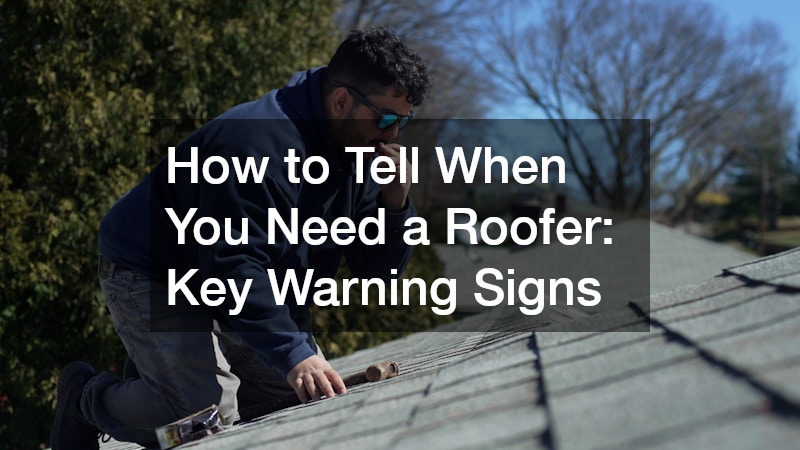
Your roof plays a critical role in protecting your home from the elements, yet it is often overlooked until a problem becomes obvious. Knowing when to call a local roofer can help you avoid costly repairs, prevent structural damage, and maintain a safe living environment. By recognizing early warning signs and staying proactive with maintenance, homeowners can address issues before they escalate.
Video Source
Several roofing problems signal the need for professional assistance, and many of them begin subtly before becoming more severe. One of the most common issues is a roof leak. Water stains on ceilings or walls, damp insulation, or visible drips during rainstorms are clear indicators that water is penetrating your roof. Even small leaks can lead to mold growth and structural damage if not addressed promptly.
Missing or damaged shingles are another frequent concern. Shingles can become loose, cracked, or completely detached due to age, wind, or severe weather. When shingles are compromised, the underlying layers of the roof are exposed to moisture, increasing the risk of leaks.
Damaged flashing also requires attention. Flashing is the material used to seal areas around chimneys, vents, and skylights. If it becomes cracked or loose, water can seep into vulnerable areas of the roof. Similarly, clogged or damaged gutters can cause water to pool on the roof, leading to deterioration over time.
Granule loss is another warning sign often seen with asphalt shingles. If you notice granules accumulating in gutters or downspouts, it may indicate that shingles are wearing down and losing their protective coating.
Ignoring these issues can result in more extensive damage, making early intervention by a roofer essential.
Regular roof inspections are key to identifying problems early and extending the life of your roof. In general, homeowners should schedule a professional inspection at least once a year. However, certain factors may require more frequent evaluations.
Roofs in areas with severe weather conditions, such as heavy storms, strong winds, or snow, should be inspected twice a year—typically in the spring and fall. These inspections help identify damage caused by seasonal changes and prepare the roof for upcoming weather conditions.
Additionally, it is wise to schedule an inspection after major weather events, such as hurricanes, hailstorms, or high winds. Even if damage is not immediately visible, underlying issues may develop that only a trained professional can detect.
The type and age of your roof also play a role in inspection frequency. Older roofs or those made from materials with shorter lifespans may require more frequent monitoring. For example, asphalt shingle roofs typically last 20 to 30 years, and as they approach the end of their lifespan, inspections become increasingly important.
Routine inspections not only help catch minor issues early but also provide an opportunity to perform preventative maintenance, reducing the likelihood of costly repairs in the future.
While many roofing problems can be repaired, some situations call for a full roof replacement. One of the most significant factors is the age of the roof. If your roof is nearing or has exceeded its expected lifespan, replacement may be more cost-effective than ongoing repairs.
Widespread damage is another indicator. If large sections of shingles are missing, curling, or cracked, it may be a sign that the roof is deteriorating beyond repair. Similarly, sagging areas on the roof suggest structural issues that require immediate attention and often necessitate replacement.
Persistent leaks, even after multiple repairs, are a strong sign that the roofing system is failing. When problems continue to recur, it usually indicates that the underlying materials have weakened and can no longer provide adequate protection.
Daylight visible through the roof boards in the attic is another red flag. This indicates gaps or holes that compromise the roof’s integrity. Additionally, excessive moisture or mold growth in the attic can point to long-term ventilation or insulation issues that may require a complete roof overhaul.
Understanding when to call a roofer can save homeowners from unexpected expenses and serious damage. From leaks and missing shingles to aging materials and structural concerns, these warning signs should not be ignored. Regular inspections and timely repairs help extend the life of your roof, while recognizing when replacement is necessary ensures your home remains protected. When in doubt, consulting a professional roofer is the best way to maintain a safe, durable, and reliable roofing system.