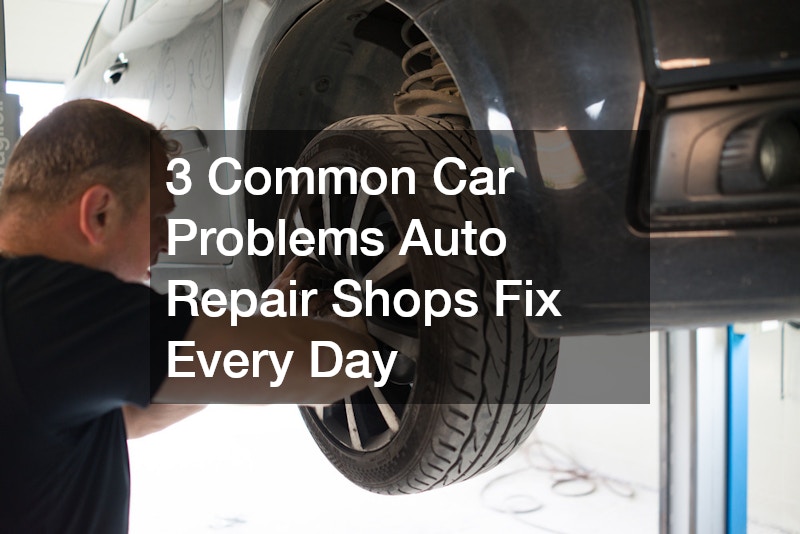
Regular vehicle maintenance plays a key role in keeping your car running safely and efficiently. Despite routine care, certain issues tend to arise more frequently than others, which is why auto repair shops handle many of the same problems every day. Understanding these common concerns helps drivers recognize early warning signs and take action before minor issues turn into costly repairs.
Video Source
Auto repair shops regularly address a handful of recurring vehicle problems that can affect performance, safety, and reliability. One of the most common issues is brake wear. Over time, brake pads and rotors naturally wear down, leading to squeaking noises, reduced stopping power, or vibrations when braking. Because brakes are essential for safety, this is one of the top reasons drivers seek professional service.
Another frequent problem involves battery failure. Car batteries can weaken due to age, extreme temperatures, or electrical issues. Symptoms such as slow engine cranking, dim headlights, or difficulty starting the vehicle often point to a failing battery that needs testing or replacement.
Engine-related issues also rank high among everyday repairs. These can range from misfiring spark plugs to more complex concerns like faulty sensors or fuel system problems. When the check engine light appears on the dashboard, it is often an indication that something within the engine system requires attention.
Additionally, tire issues such as uneven wear, low pressure, or alignment problems are commonly addressed. These issues not only affect driving comfort but can also reduce fuel efficiency and increase the risk of accidents if left unresolved.
Auto repair shops rely on a combination of experience, technology, and systematic inspection processes to diagnose vehicle problems accurately. One of the primary tools used is computerized diagnostic equipment. Modern vehicles are equipped with onboard diagnostic systems (OBD-II) that generate error codes when something goes wrong. Technicians use specialized scanners to read these codes and identify potential issues.
In addition to digital diagnostics, visual inspections play a crucial role. Mechanics examine components such as belts, hoses, brakes, and fluid levels to detect visible signs of wear or damage. They may also perform test drives to observe how the vehicle behaves under normal operating conditions.
Another important method is listening for unusual sounds and noting specific symptoms described by the driver. Knocking noises, grinding, or vibrations can provide valuable clues about underlying problems. By combining these observations with diagnostic data, technicians can pinpoint the root cause more efficiently.
This structured approach ensures that repairs are accurate and targeted, reducing the likelihood of recurring issues and unnecessary part replacements.
Preventive maintenance is one of the most effective ways to reduce the likelihood of common car problems. Regular oil changes are essential for keeping the engine properly lubricated and preventing excessive wear. Following the manufacturer’s recommended service intervals helps maintain overall vehicle health.
Checking and maintaining proper tire pressure is another simple yet important step. Properly inflated tires improve fuel efficiency, enhance handling, and extend tire lifespan. Rotating tires regularly also promotes even wear and prevents premature replacement.
Battery maintenance can help avoid unexpected breakdowns. Cleaning battery terminals, ensuring secure connections, and replacing the battery every few years can prevent starting issues. Similarly, monitoring fluid levels—including coolant, brake fluid, and transmission fluid—helps keep critical systems functioning properly.
Drivers should also pay attention to warning lights and unusual vehicle behavior. Addressing small concerns early, such as strange noises or reduced performance, can prevent more serious problems from developing.
Routine inspections by a professional mechanic provide an added layer of protection, as trained technicians can identify issues that may not be immediately noticeable to the average driver.
Being aware of the most common car problems and how they are diagnosed can help drivers take a more proactive approach to vehicle care. Issues like brake wear, battery failure, and engine trouble are frequently handled by auto repair shops, but many of them can be minimized through regular maintenance and early intervention. By staying attentive to your vehicle’s condition and following preventative practices, you can reduce repair costs, improve performance, and extend the life of your car.